Fundamental of Robotics & AI
This course is designed to take you from the foundations of robotics to practical deployment techniques. You’ll develop hands-on skills using widely adopted tools and frameworks for robot development, enabling you to design, build, and deploy real-world robotic solutions.
Invitation only
Peek at free lessons now — full access arrives by invitation.
Explore what’s unlocked below. When you’re invited, the rest of the course opens up.
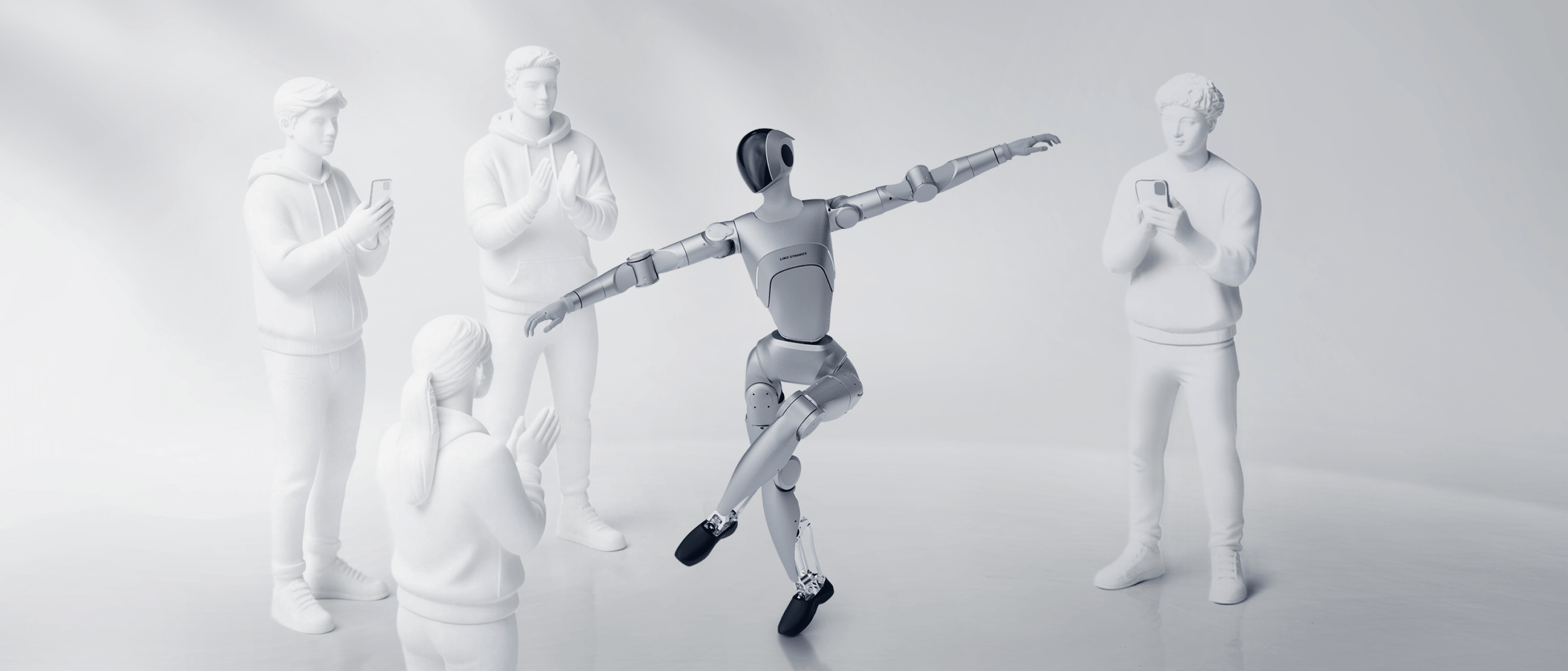
Fundamental of Robotics & AI takes you from first principles to working robotic systems. Across five modules you build fluency with the everyday tools of robot software—Linux, Python, and ROS 2—then connect real sensors and actuators, reason about motion and localization, navigate with NAV2, and close the loop with computer vision and deep learning on platforms such as TurtleBot4 and the OAK-D Pro.
You start by establishing a solid development environment: the Linux CLI, VS Code, Python for robotics, ROS concepts and nodes, and lightweight simulation with TurtleSim and RQT. From there you move into hardware integration—IMU, LIDAR, and camera drivers, data validation, and bringing up the TurtleBot4—so sensor streams become something you can trust and act on.
Later modules focus on how a robot understands where it is and where it should go. You cover differential-drive kinematics and URDF modeling, odometry and sensor fusion (including EKF/UKF ideas), SLAM and mapping, then autonomous navigation with path planning, dynamic replanning, and parameter tuning. The final module turns to vision and AI: environment setup with Conda, classification and object detection, deploying models for onboard inference, and implementing person-following behavior that ties perception back to robot control.
The emphasis throughout is practical: short, sequenced lessons you can run in a modern ROS 2 / Ubuntu-style environment, with the goal of designing, building, and deploying real-world robotic solutions rather than only reading about them.
- Work with Linux, Python, and ROS 2 tooling for robot software development
- Integrate IMU, LIDAR, and camera sensors and validate their data streams
- Apply kinematics, SLAM, and sensor fusion for localization and mapping
- Configure NAV2 for autonomous navigation and path replanning
- Train and deploy a vision model and close the loop with robot control
- Basic Python programming
- Familiarity with the Linux command line
- No prior ROS experience required